
On the globe: gas, oil and hydrogen pipelines · LNG terminals · shipping lanes, chokepoints and ports · gas, coal, nuclear, hydro, wind and solar plants · steel plants · coal and metal mines. Browse the datasets →

Jump to a country, regulation, material, or risk

Published openly · datasets & methodologyCommissioned · sourcing & project-risk work →
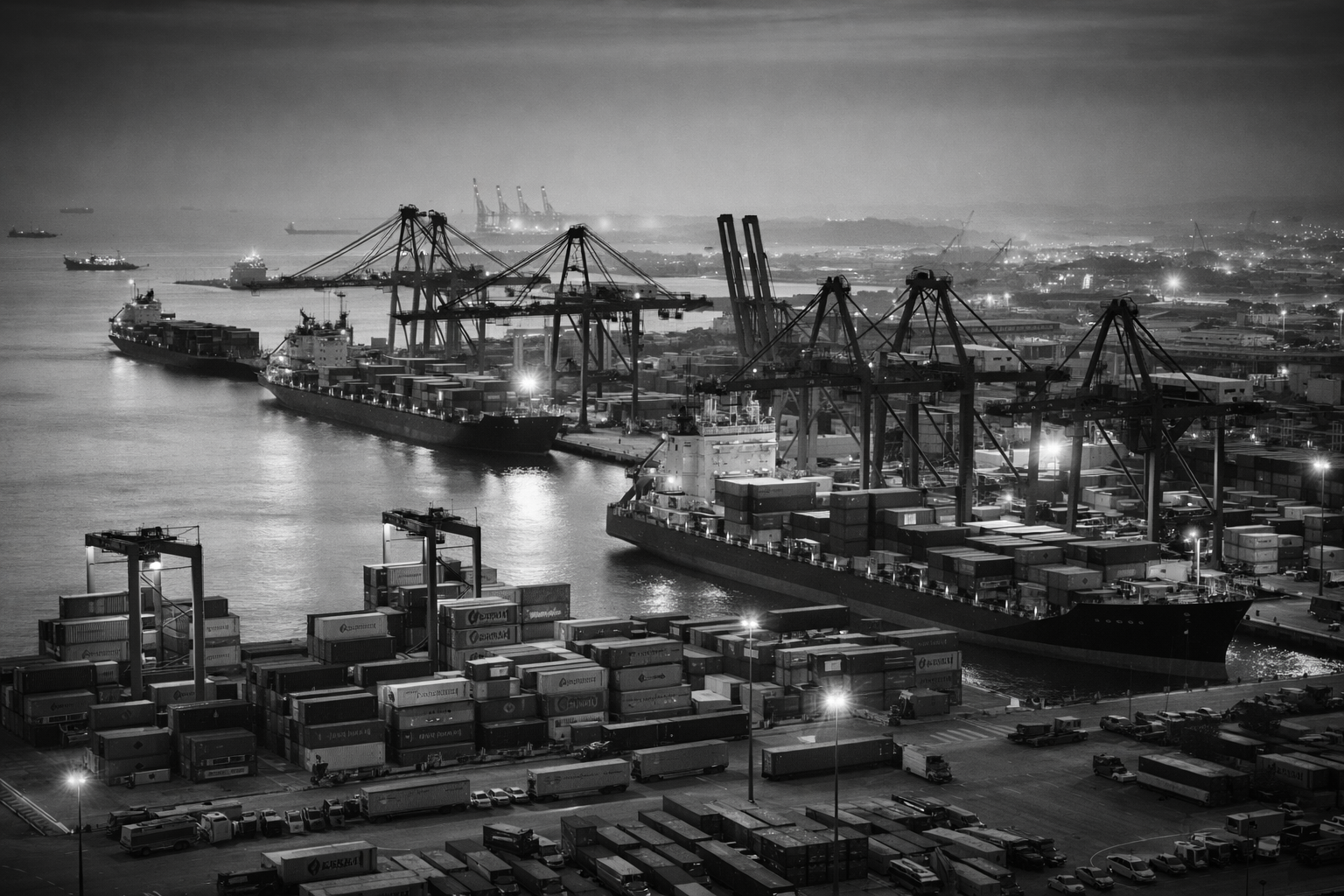
A1AYN infrastructure visual

Energy • trade • compliance • risk

A1AYN

Energy, trade, compliance, and risk, as one connected picture

A1AYN holds energy infrastructure, trade flows, EU regulation, and country risk in one analytical environment, every figure sourced and reproducible. For a company, that means a clearer read on a sourcing decision across the EU–SEA corridor, or on the risks around a specific project.

Briefings

Latest notes from the desk

Short, checkable briefs on suppliers, signals, and procurement-grade methods. No hype — just scope, evidence, and decision relevance.

Latest brief

Flashy bangs and big words

Nineteen strikes on Russian refineries in twenty-six days, a shutdown nobody confirmed, and the number nobody publishes. What survives when each plant is checked against a primary source and then against a satellite.

2026-08-29

Brief

The cost of Thailand's LNG dependence

Thailand spent THB 102.7 billion, USD 3.2 billion, on LNG in five months of 2026. Its Gulf fields are depleting and Pailin's concession ends in 2028, the Myanmar pipelines run at 30% of nameplate and Yadana's contract ends the same year, and the gas Thailand and Cambodia both claim has never been drilled. The reservoirs are half full and El Niño conditions are present. LNG covers the rest.

2026-08-03

How to read A1AYN

Instruments, environment, and what it means for you

The instruments

Sourced, reproducible data on energy infrastructure, trade flows, EU regulation, and country risk. Each figure is a versioned build-time snapshot with its method visible.

The environment

Not separate dashboards. The layers share one structure, so a policy shift, a trade flow, and a compliance rule can be read against one another, where cross-domain couplings become visible.

What it means for you

A clearer read on a real decision: which suppliers and origins hold up under incoming EU rules, or the risks around a specific project. Open to a company that wants the risk picture, not only a sourcing shortlist.

Editorial note

Claims are cheap. Methods aren’t.

A1AYN briefs are written to be checked: sources are linked where possible, assumptions are explicit, and constraints are stated. When a claim can’t be verified, it’s marked as such.

What you get

  • • Sourcing shortlists and project-risk reads, with verification notes
  • • Structured briefs (scope → evidence → decision)
  • • Data and methodology transparency